Are you torn between waking up to lake views or living beside a fairway and clubhouse in Lakeland? It is a common question for buyers who want more than just a house and are really choosing the kind of daily life they want. In a city known for its lakes and recreation, the right fit often comes down to how you want to spend your time, what kind of upkeep you are comfortable with, and how much structure you want in your community. Let’s dive in.
Why this choice matters in Lakeland
Lakeland is especially well suited for this comparison because water and recreation are part of the city’s identity. According to the City of Lakeland, there are 38 named lakes within city limits, and the city monitors 15 major lake systems for water quality. That means both lakefront and golf course living can offer an outdoors-focused lifestyle, but they usually deliver it in very different ways.
If you are moving up, relocating, or narrowing your options in Polk County, this is less about one choice being better than the other. It is more about matching your home to your routine. In Lakeland, that difference tends to show up in how much your lifestyle feels self-directed versus club-centered.
Lakefront living in Lakeland
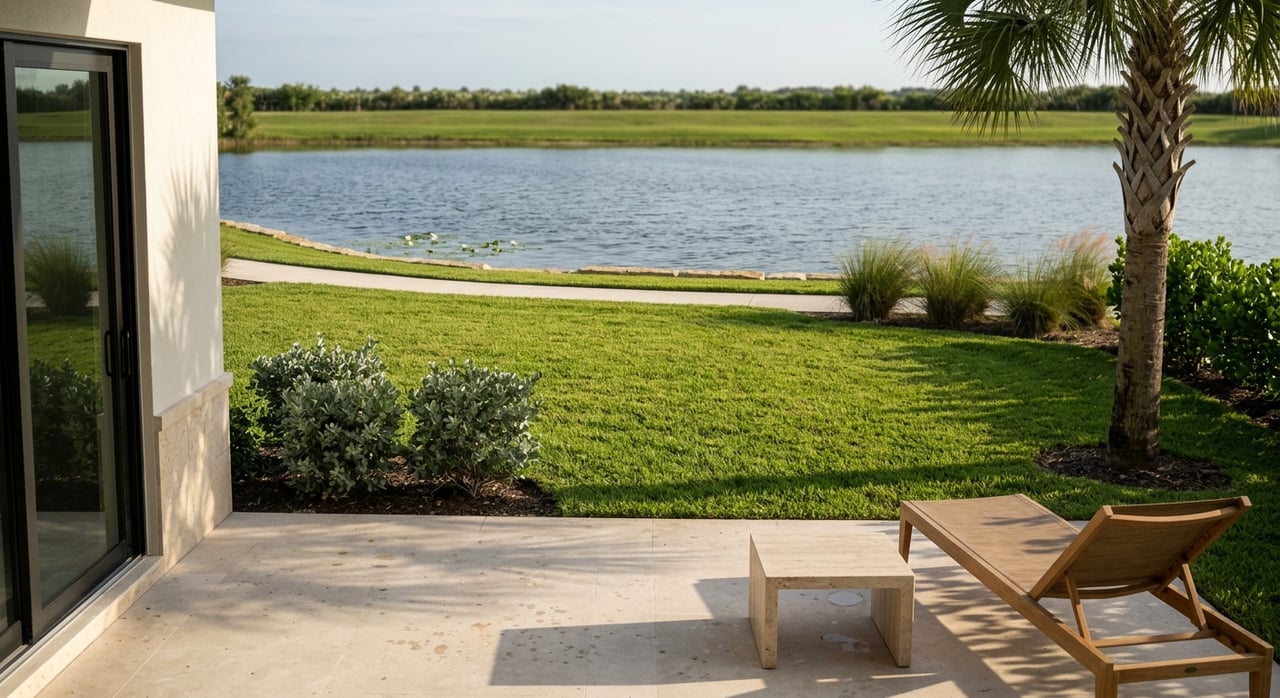
Lakefront living in Lakeland often feels scenic, flexible, and personal. Many buyers are drawn to the views, the walking paths, and the sense of being close to nature without needing a formal social calendar. If your ideal morning includes a stroll by the water or quiet time outdoors, lakefront living may feel like a natural fit.
The city’s lake areas support that kind of day-to-day rhythm. Lake Parker Park includes a boat ramp, boat trailer parking, fishing, jogging paths, fitness areas, and walking trails. Around Lake Hollingsworth, pedestrian and bicycle safety improvements help support the active use of the area, and Lake Morton includes accessible viewing areas that make lakeside time part of everyday life.
What the lifestyle usually feels like
In many Lakeland lake areas, the outdoors is the main amenity. You may spend more time walking, running, biking, fishing, or simply enjoying the view than participating in organized activities. That can appeal to buyers who want freedom and a stronger connection to the natural setting.
Lakefront neighborhoods also tend to feel less uniform than many planned communities. The city describes places like Lakeshore, on the east shore of Lake Parker, as offering beautiful lake views and charming single-family homes. Historic Lake Hunter Terrace, along Lake Hunter, is known for older homes, sloping brick streets, mature trees, and a mix of housing styles.
What ownership can involve
Lakefront ownership in Lakeland can also come with more stewardship. The City of Lakeland notes that shoreline projects may require permits, and work involving docks, seawalls, or living shorelines may trigger review by city, state, or federal agencies. Aquatic plant management is also regulated, which means waterfront ownership can include responsibilities that go beyond typical yard maintenance.
That does not mean lakefront living is complicated for every owner, but it does mean you should understand the property beyond the home itself. If you are considering a waterfront home, it helps to think about the shoreline, any existing structures, and what you may want to change in the future. For some buyers, that added layer is worth it for the water access and view.
Historic areas may add another layer
Some lake-adjacent areas in Lakeland are also tied to the city’s historic character. Lakeland has seven historic districts that are locally designated by city ordinance and listed on the National Register of Historic Places. If you are drawn to an older home near a lake, you may want to look at preservation considerations alongside the home’s location and condition.
For many buyers, that is part of the charm. You may find character, mature landscaping, and a neighborhood feel that is different from newer planned developments. The tradeoff is that your decision may involve more than just the lot line and the view.
Golf course communities in Lakeland
Golf course living in Lakeland usually feels more organized, social, and amenity-driven. Instead of the water itself being the center of the experience, the community program often takes that role. If you like the idea of planned recreation, dining, and a calendar of activities close to home, this option may check more boxes.
Lakeland’s golf communities come in several forms. Grasslands Golf & Country Club is a private, member-owned club with a clubhouse, swim and tennis club, pickleball, and tennis courts. Eaglebrooke offers golf and social memberships, dining, practice facilities, events, and a recurring Tuesday golf league that is open to both members and non-members.
What the lifestyle usually feels like
Golf communities often create a more scheduled rhythm. Your week may include tee times, league play, lessons, social events, dining, pickleball, or tennis. Across communities like Eaglebrooke, Grasslands, Highland Fairways, Sandpiper, and Schalamar, the emphasis tends to be as much about the social calendar as the course itself.
That can be a big plus if you want a built-in way to meet people and stay active. For some buyers, having amenities and events nearby makes it easier to settle in and enjoy the neighborhood right away. The setting may feel more managed, but also more predictable.
Home styles and community setup
Compared with many lakefront areas, golf course communities in Lakeland often lean more toward planned-community living. Sandpiper, for example, describes itself as a 55+ active adult community with 1,153 resale homes that include single-family homes and attached villas. That kind of setup can offer consistency in layout, amenities, and neighborhood design.
Not every golf community is the same, though. Some are age-restricted, and some are not. Highland Fairways, Sandpiper, and Schalamar are 55+ communities, while Grasslands and Eaglebrooke reflect broader club models with golf and social programming that are not limited to 55+ buyers.
HOA and rules to review carefully
Whether you choose lakefront or golf course living, it is smart to understand the rules before you buy. In Florida, homeowners associations are governed by Chapter 720 of the Florida Statutes. The law addresses areas like association powers, meetings, records, budgets, financial reporting, architectural controls, and fines or suspension of use rights.
For buyers, the practical takeaway is simple. Golf communities often come with more formal governance because they may involve HOA or POA rules, club policies, membership structures, and in some cases residency processes. Lakefront neighborhoods may feel less structured socially, but they can still involve architectural review rules and, on waterfront lots, shoreline-related permitting requirements.
The law also limits architectural review authority to what is stated or reasonably inferred in the governing documents or published standards, and those standards must be applied reasonably and equitably. That is one reason it is worth reviewing association documents early in the process. A neighborhood may look easygoing from the outside while still having important restrictions that affect how you use the property.
Residency processes in some golf communities
Some Lakeland golf communities have added procedures tied to occupancy or residency. Sandpiper, for example, requires a residency application and background check for those purchasing, renting, or occupying a property beyond a limited period, and it maintains 55+ occupancy rules. That kind of process can make a community feel more structured and more uniform.
For some buyers, that consistency is part of the appeal. For others, it may feel too restrictive. The key is knowing what to expect before you fall in love with the view.
Lakefront vs golf course: the key difference
The biggest difference in Lakeland is not prestige. It is routine. If you want the outdoors to feel open, scenic, and self-directed, lakefront living usually makes more sense.
If you want the outdoors to feel organized, social, and centered around shared amenities, golf course living is often the better match. One setting tends to revolve around views, walking paths, and optional water access. The other tends to revolve around tee times, events, dining, and an active community schedule.
Which buyers often prefer each option
You may prefer lakefront living if you want:
- Water views to be the main feature
- Walking, biking, or jogging near the lake
- Occasional boating or fishing access
- A neighborhood that may feel more varied in home style and layout
- A more personal and less club-driven daily routine
You may prefer golf course living if you want:
- A community built around amenities and activities
- Social events, dining, and recurring recreation
- A more planned and predictable neighborhood setup
- Home options within organized community formats
- A built-in calendar that helps you stay engaged
Questions to ask before you decide
Before you choose between a lakefront and golf course community in Lakeland, it helps to ask yourself a few practical questions.
How do you want to spend your free time?
If your answer includes quiet outdoor time, water views, walking loops, or occasional boating, lakefront may be the better fit. If it includes group activities, dining, lessons, or league play, golf course living may line up better with your goals.
How much structure do you want?
Some buyers love the ease of a well-organized community with amenities and established routines. Others prefer a setting that feels more flexible and less programmed. Neither is wrong, but knowing your comfort level can save you time.
Are age restrictions a factor?
Not all golf communities in Lakeland are 55+, but some are. If that matters to your move, it is important to confirm early which communities fit your needs. This is especially important if you are relocating and trying to narrow options quickly.
Are you comfortable with waterfront stewardship?
A waterfront lot can be beautiful, but it can also involve shoreline considerations, permitting, and regulated improvements. If you love the idea of the lake itself being part of your property experience, that may feel worthwhile. If not, a golf community may offer the outdoor setting you want with a different ownership experience.
Making the right move in Lakeland
Lakeland gives you a meaningful choice because it offers both true lake-oriented living and strong golf community options. The right answer usually comes down to what you want your weekends, mornings, and evenings to look like after the move. When you focus on lifestyle first, the home search tends to become much clearer.
If you want help comparing Lakeland neighborhoods, community formats, and home options based on how you actually live, Lindsey Thibodeau can help you narrow the search with local insight and a hands-on approach.
FAQs
Are all golf course communities in Lakeland 55+?
- No. Some Lakeland golf communities are age-restricted, including Highland Fairways, Sandpiper, and Schalamar, while others like Grasslands and Eaglebrooke are not limited to 55+ buyers.
Are all lakefront neighborhoods in Lakeland luxury communities?
- No. Lakeland’s lakefront areas include a range of settings, from charming single-family neighborhoods like Lakeshore to historic areas like Lake Hunter Terrace.
Do lakefront homes in Lakeland come with extra property responsibilities?
- Yes, they can. Shoreline projects, docks, seawalls, living shorelines, and aquatic plant management may involve permits or regulated review.
Do golf course communities in Lakeland always have stricter HOA rules?
- Not always, but they often have more formal governance because they may combine HOA or POA rules with club policies, membership structures, and residency processes.
What is the biggest lifestyle difference between lakefront and golf course living in Lakeland?
- In general, lakefront living is more scenic and self-directed, while golf course living is more organized, social, and centered around shared amenities and activities.