Trying to decide between a condo and a house in St. Pete Beach? That choice shapes more than your square footage. In a beach community where parking, access, upkeep, and property rules all affect daily life, the right fit often comes down to how you want to live. This guide will help you compare both options so you can move forward with more clarity and confidence. Let’s dive in.
Why property type matters in St. Pete Beach
In St. Pete Beach, lifestyle and logistics go hand in hand. The city highlights beaches, parks, and resident resources as a regular part of local life, and public beach parking is managed at places like Upham Beach, County Beach Access Park, and Pass-a-Grille Beach.
That matters because a condo or a house can give you very different day-to-day experiences. Your choice may affect how you handle parking, how close and easy beach access feels, and how much property upkeep lands on your shoulders.
The city also offers a Freebee on-demand shuttle service. For some buyers, that can reduce how often you need to rely on a car, which is another reason to think beyond the home itself and look at the full lifestyle picture.
Condo vs house: the core difference
At a high level, condos usually offer more shared maintenance and a more structured association setup. Houses often offer more direct control over the property, but that does not always mean fewer rules.
In St. Pete Beach, that distinction matters even more because of the coastal setting. Exterior upkeep, parking arrangements, access, and community policies can all play a bigger role than buyers expect.
How condo ownership works
Under Florida condo law, the association is responsible for maintaining common elements and handling related repair and replacement duties. Unit owners pay their share of common expenses and must provide reasonable access when maintenance or repairs are needed.
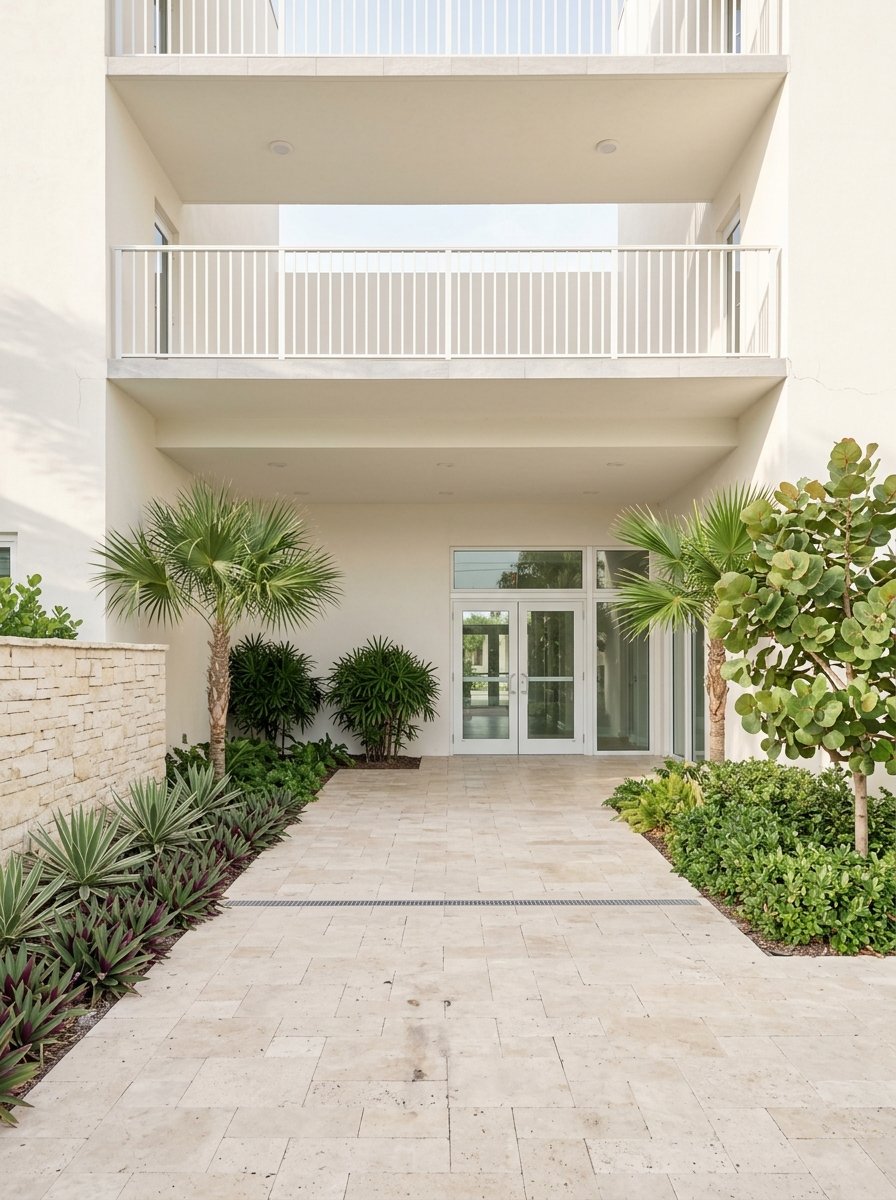
That often makes a condo feel more turnkey. If you want a lock-and-leave beach property, shared exterior maintenance can be a major advantage.
Still, you should not assume every exterior item is covered in the same way. Florida law allows some limited common elements to be assigned differently, so the declaration matters.
How house ownership works
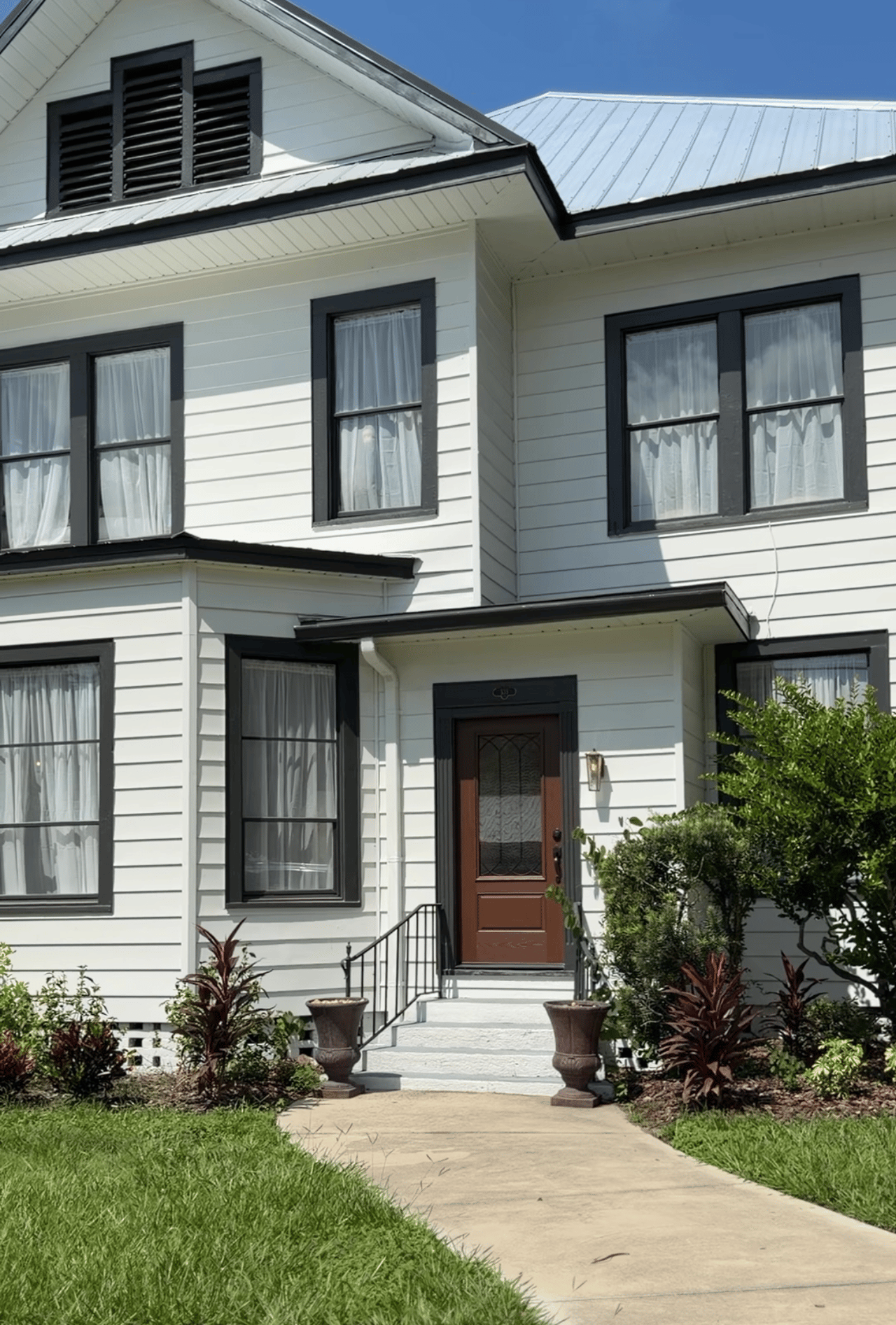
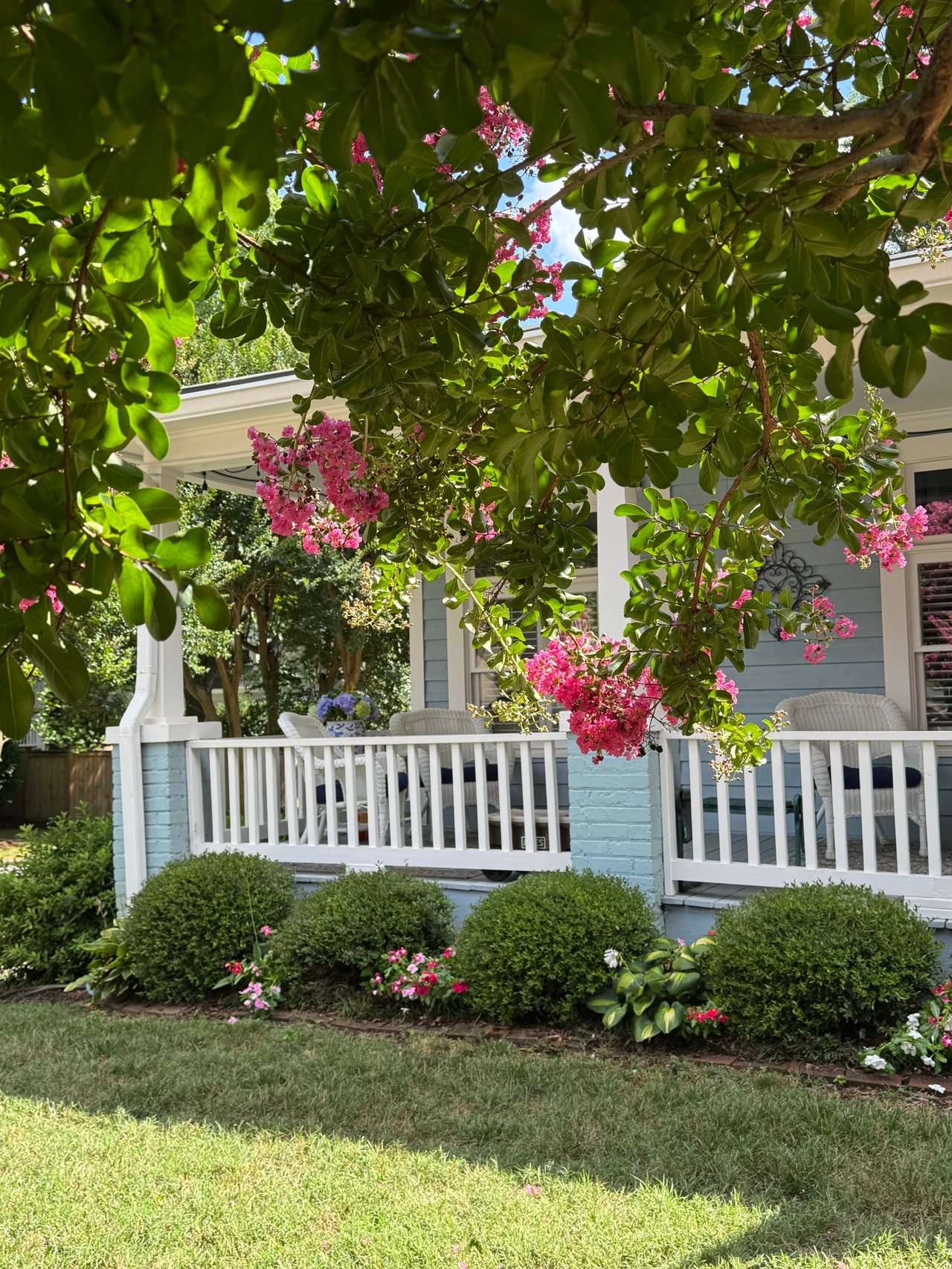
A house usually gives you more control over the lot, exterior, and day-to-day use of the property. That can appeal if you value privacy, flexibility, and fewer building-level decisions.
But in Florida, a single-family home in an HOA community may still come with meaningful oversight. HOA associations can enforce architectural standards, levy assessments, and set rules through their governing documents.
So if you are leaning toward a house, it is smart to separate the idea of a house from the idea of total freedom. In some communities, exterior changes, vehicles, rentals, and other details may still be regulated.
When a condo may suit you best
A condo may be the better fit if you want a simpler ownership experience. Many buyers like the idea of shared upkeep, especially for a second home, a downsizing move, or a relocation purchase.
In practical terms, a condo often works well if you want:
- Less personal responsibility for exterior maintenance
- A more lock-and-leave beach lifestyle
- A clearer structure for shared property responsibilities
- Building or community amenities that are handled by the association
That said, condo living comes with tradeoffs. You will want to understand the association’s rules, budget, reserve information, parking rights, and guest policies before you commit.
Condo questions to ask
Before buying a condo in St. Pete Beach, make sure you review:
- The declaration, bylaws, and rules
- The budget and reserve information
- Parking assignments and guest parking policies
- Storage rights, if any
- Structural inspection reports and reserve study materials
According to Florida guidance, structural inspection reports and reserve studies are part of an association’s official records and must be available to potential purchasers. Florida law also requires structural integrity reserve studies for certain residential condominium buildings that are three habitable stories or higher, completed at least every 10 years.
Florida also requires milestone inspections for certain older and taller condo buildings. That makes building age, height, and inspection history especially important when you are comparing condo options.
When a house may suit you best
A house may be the stronger choice if you want more privacy and more direct control over your property. It can also be a better fit if outdoor space or a more independent setup matters to you.
Many buyers prefer a house if they want:
- More separation from neighbors
- More flexibility with the property itself
- More private outdoor space
- Fewer shared building decisions
The tradeoff is that you may take on more maintenance yourself. In a beach area, that can be a meaningful part of ownership, so it helps to be realistic about the time, cost, and attention you want to dedicate.
House questions to ask
If you are considering a house in an HOA neighborhood, review:
- The covenants and community rules
- The HOA budget and assessment history
- Architectural standards
- Rules on fences, paint colors, roofing, vehicles, and rentals
These details can shape how much flexibility you actually have. A house can still offer more autonomy, but the governing documents will tell you where the limits are.
Parking and beach access can change the answer
In St. Pete Beach, parking and access are not side issues. They are part of everyday life.
The city maintains public beach parking in several locations, including Upham Beach, County Beach Access Park, and Pass-a-Grille Beach, along with smaller and shared lots. Some areas use permit requirements or pay-by-plate parking.
That means you should not assume a property gives you easy beach convenience just because it is nearby. Whether you buy a condo or a house, verify the actual parking setup tied to the property and how that matches your routine.
What to verify before you buy
Ask specific questions about:
- Assigned parking spaces
- Guest parking rules
- Street parking availability
- Storage for beach gear
- How you will reach the beach day to day
- Whether shuttle access changes your transportation needs
For some buyers, a condo with clear parking rights and lower upkeep feels easier. For others, a house with the right location and access pattern feels more comfortable. The right answer depends on how you plan to use the property.
Flood and evacuation questions matter for both
No matter which property type you prefer, flood and evacuation research should be part of your decision. Pinellas County states that everyone lives in a flood zone, and it also explains that flood zones and evacuation zones are not the same thing.
That is an important distinction for buyers in St. Pete Beach. A condo and a house can carry different ownership experiences, but both should be reviewed carefully through the lens of flood risk and evacuation planning.
Before you move forward, confirm the property’s flood hazard information and understand how that fits into your comfort level. This is not just a beachfront issue. It applies across St. Pete Beach.
A simple way to decide
If you are stuck between the two, focus on your daily habits and stress points rather than just features on paper. The best property type is usually the one that supports the way you want to live.
A condo may be the better fit if you want a more turnkey setup, less personal exterior maintenance, and a stronger association framework. A house may be the better fit if you want more privacy, more flexibility, and more direct control over the property.
In St. Pete Beach, the decision often comes down to three things:
- How much upkeep you want to handle yourself
- How comfortable you are with association rules and shared governance
- How important parking and beach access convenience are to your routine
When you compare properties through that lens, the right choice usually becomes much clearer.
If you are weighing a condo against a house in St. Pete Beach or planning a Florida move from out of the area, working with a detail-focused local guide can make the process much less overwhelming. For personalized guidance, relocation support, or help comparing your options, connect with Lindsey Thibodeau.
FAQs
What is the main difference between a condo and a house in St. Pete Beach?
- A condo usually offers more shared maintenance and association oversight, while a house usually offers more direct control over the property, though it may still be subject to HOA rules.
Do St. Pete Beach condos always have better beach access than houses?
- No. Beach access is property-specific, and nearby access or parking should always be verified rather than assumed.
Can a St. Pete Beach house still have HOA fees and rules?
- Yes. In Florida, HOA communities can levy assessments and enforce architectural and community standards for single-family homes.
What documents should condo buyers review in St. Pete Beach?
- Condo buyers should review the declaration, bylaws, rules, budget, reserve information, parking assignments, and any available structural inspection or reserve study materials.
Why do older St. Pete Beach condos need extra review?
- Older and taller condo buildings may be subject to milestone inspections and structural reserve study requirements, so building age, height, inspection history, and reserves deserve close attention.
Is flood risk only a concern for beachfront homes in St. Pete Beach?
- No. Pinellas County says everyone lives in a flood zone, so flood risk should be reviewed for any property type in St. Pete Beach.