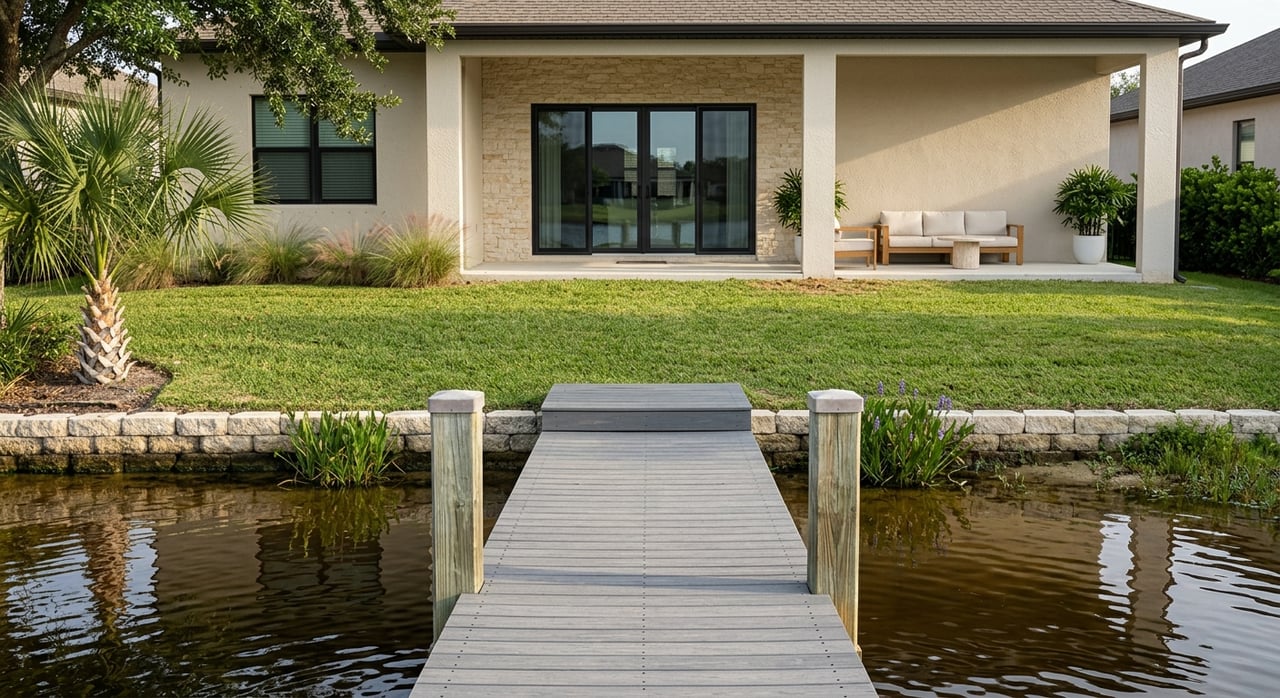
If you are selling a lakefront home in Winter Haven, you are not just listing bedrooms, bathrooms, and square footage. You are marketing a lifestyle built around water views, outdoor living, and everyday access to the lakes that shape this city. In a market where buyers spend a lot of time online before they ever book a showing, the details of your presentation can make a real difference. Let’s dive in.
Why Winter Haven lakefront homes stand apart
Winter Haven has a story that many Florida markets cannot match. The city reports 50 lakes within or bordering city limits, along with the North Chain and South Chain and more than 13 miles of trails, including the Chain of Lakes Trail and Lake Howard trail. That means buyers are often drawn to more than the house itself.
When someone shops for a lakefront home here, they are often thinking about how the property connects to the water, the view, outdoor entertaining, and access to recreation. Your marketing should reflect that broader appeal. A generic listing usually misses what makes this type of home special.
Start with a pricing strategy
Lakefront homes need more than a rough estimate based on nearby sales. A strong pricing strategy should account for the actual waterfront features of your property, including view quality, shoreline usability, dock or lift condition, outdoor living space, and whether the home feels updated or dated.
That matters in today’s market. Redfin’s March 2026 data shows Winter Haven with a median sale price of about $295,000, homes selling in about 104 days, and an average of 2 offers. Realtor.com’s March 2026 Polk County data points to a balanced market with about 13,000 homes for sale, a median list price of $330,000, and a 74-day median pace.
In other words, buyers have options. If your home is priced too aggressively without the features to support it, you may lose momentum. If it is priced with care and backed by accurate marketing, you have a better chance of attracting serious buyers.
Build the listing around lifestyle
A Winter Haven lakefront property should tell a complete story. Buyers want to understand not only what the home looks like inside, but also how it lives day to day.
That story often includes:
- Water views from key rooms
- The connection between indoor and outdoor spaces
- Patios, lanais, porches, or pool areas
- Dock access or shoreline use, when verified
- Space for entertaining or relaxing outside
- Proximity to Winter Haven’s lake and trail lifestyle
The goal is to help buyers picture the experience of living there. Strong marketing shows how the property feels, not just what it contains.
Focus on online-first presentation
Most buyers now begin their search online. According to NAR’s 2024 home buyer research, all buyers used the internet in their home search, and 43% started there. The most useful website features were photos, detailed property information, and floor plans.
For a lakefront home, this means your digital presentation cannot be an afterthought. It needs to work hard before a buyer ever steps through the door.
Use photography that sells the setting
Photos are one of the most important parts of your listing. For waterfront property, they should do more than document the home. They should help buyers understand the setting and the relationship between the house and the lake.
Key exterior images often include:
- The rear elevation facing the water
- Wide shots that show the yard and shoreline
- Dock, lift, or water access areas, if present
- Lanai, patio, pool, or outdoor seating areas
- Views from the home toward the lake
- Sunrise or sunset light, if it highlights the setting
Interior photos should also support the waterfront story. Rooms with lake views, open living areas, and large windows deserve special attention.
Add video and virtual tours
Virtual tours and video are especially helpful for out-of-area buyers. NAR notes that these tools help buyers understand layout before they schedule an in-person visit and can help move the process along faster.
This matters in Central Florida, where many buyers relocate from outside the area. If your listing includes video, a virtual tour, and a clear floor plan, buyers can better understand how the home flows from the front entry to the water side of the property.
Make floor plans easy to understand
A lakefront home often has one big question attached to it: how does the interior connect to the outdoor living areas and the view? Floor plans help answer that quickly.
They can show whether the primary living spaces face the lake, how direct the access is to the lanai or patio, and whether the home layout supports the lifestyle buyers want. That kind of clarity can keep buyers engaged longer.
Prepare the property for the camera
Marketing starts before the first photo is taken. NAR’s seller guidance emphasizes cleaning, decluttering, repairing, depersonalizing, and updating so buyers can imagine living in the home.
For a lakefront property, this should extend outside as well. Buyers will notice the condition of the yard, shoreline, dock area, patios, and outdoor furniture just as much as the kitchen or living room.
Stage the outdoor spaces
If the home has a lanai, porch, dock sitting area, or lakeside patio, treat those spaces like important rooms. A clean setup with simple furniture and clear sightlines can help buyers understand how they might use the space.
Keep the focus on openness and usability. Too much furniture, mismatched décor, or visible wear can distract from the view, which is often one of the home’s biggest selling points.
Clean up without overpromising
Winter Haven’s Natural Resources guidance says shoreline clearing is generally allowed without a permit up to 50 feet or 50% of shoreline, whichever is smaller. The city also notes that creating a sandy beach on a naturally vegetated lakeshore requires permits from the Florida Department of Environmental Protection and SWFWMD.
That means you should aim for a clean, maintained shoreline without marketing the property as having a beach unless that condition is legally established and documented. Good marketing highlights what is true and usable, not what sounds catchy.
Verify every waterfront feature
With lakefront homes, accuracy matters. If you mention a dock, lift, or easy boat access, buyers may ask for documentation.
Florida DEP’s dock permitting guidance shows that dock projects may fall under an exemption, a general permit, or an individual environmental resource permit, and some may also require state lands authorization. Before your home goes live, it helps to gather any records you have on dock construction, repairs, permits, or approvals.
Claims that should be documented
Try to verify any feature that could affect value or buyer expectations, including:
- Dock or lift permits and history
- Shoreline improvements
- Water access features
- Flood zone information
- Past flood insurance details
- Elevation or mitigation documents, if available
This kind of preparation can reduce confusion during showings, inspections, and contract negotiations. It also helps your listing stand out as credible and well managed.
Address flood questions early
Flood risk is part of the lakefront conversation, whether buyers ask on day one or later in the transaction. FEMA defines Special Flood Hazard Areas as zones where mandatory flood insurance purchase rules can apply, and the CFPB notes that homeowners insurance does not cover flood damage and that mortgages in these areas generally require flood insurance.
For sellers, the practical move is simple. Have your flood zone information ready, along with any available insurance history or elevation-related paperwork. When buyers have clearer information upfront, they are less likely to feel surprised later.
Write listing copy that is vivid and precise
The best lakefront listing descriptions balance emotion with accuracy. You want buyers to feel the appeal of the property while also giving them reliable details they can trust.
Instead of vague phrases, focus on specifics that are true and meaningful. Mention the lake views, outdoor living areas, layout, and documented water-access features. If a feature is unverified, avoid overstating it.
What strong copy often includes
- The relationship between the home and the lake
- Verified features such as dock access or outdoor improvements
- Practical details about layout and view orientation
- The appeal of Winter Haven’s lake-centered lifestyle
- Clear, honest language about what buyers can expect
That approach helps your home attract the right buyers and reduces the risk of disappointment once they visit in person.
Why expert marketing matters more now
In an internet-first market, great marketing is not just about visibility. It is about telling a believable, well-supported story.
NAR reports that agents were the most useful information source for 86% of buyers. For a Winter Haven lakefront home, that value often shows up in the quality of the photos and video, the accuracy of the listing details, the use of virtual tours, and the strategy behind pricing and positioning.
When your home has unique features, you need more than a standard listing template. You need a plan that combines local knowledge, careful documentation, and polished presentation.
Selling a lakefront home in Winter Haven takes more than putting it on the market and hoping buyers will fill in the blanks. The strongest results often come from pricing the property with care, presenting the waterfront lifestyle clearly, and backing up every major feature with facts. If you want a hands-on, detail-driven approach to marketing your home, connect with Lindsey Thibodeau for a consultation.
FAQs
What makes marketing a lakefront home in Winter Haven different?
- A lakefront home in Winter Haven is often selling water views, outdoor living, and access to a lake-centered lifestyle, so the listing needs to highlight those features clearly and accurately.
What photos matter most for a Winter Haven lakefront listing?
- The most important photos usually include the rear view of the home facing the water, the shoreline, dock or access area if present, outdoor living spaces, and interior rooms that capture the lake view.
How much shoreline can you clear in Winter Haven without a permit?
- According to Winter Haven’s Natural Resources guidance, shoreline clearing is generally allowed without a permit up to 50 feet or 50% of shoreline, whichever is smaller.
When should a Winter Haven seller verify dock or lift documents?
- A seller should verify permit history and current status before marketing a property as dock-ready, boat-ready, or fully set up for water access.
Why does flood zone information matter when selling a lakefront home in Winter Haven?
- Flood zone status can affect financing and insurance requirements, so having flood zone details and available insurance history ready can help prevent delays and buyer concerns.
Are virtual tours useful for Winter Haven lakefront homes?
- Yes, virtual tours and video can be especially helpful for relocation or out-of-area buyers because they show the layout and how the home connects to the lake before an in-person visit.